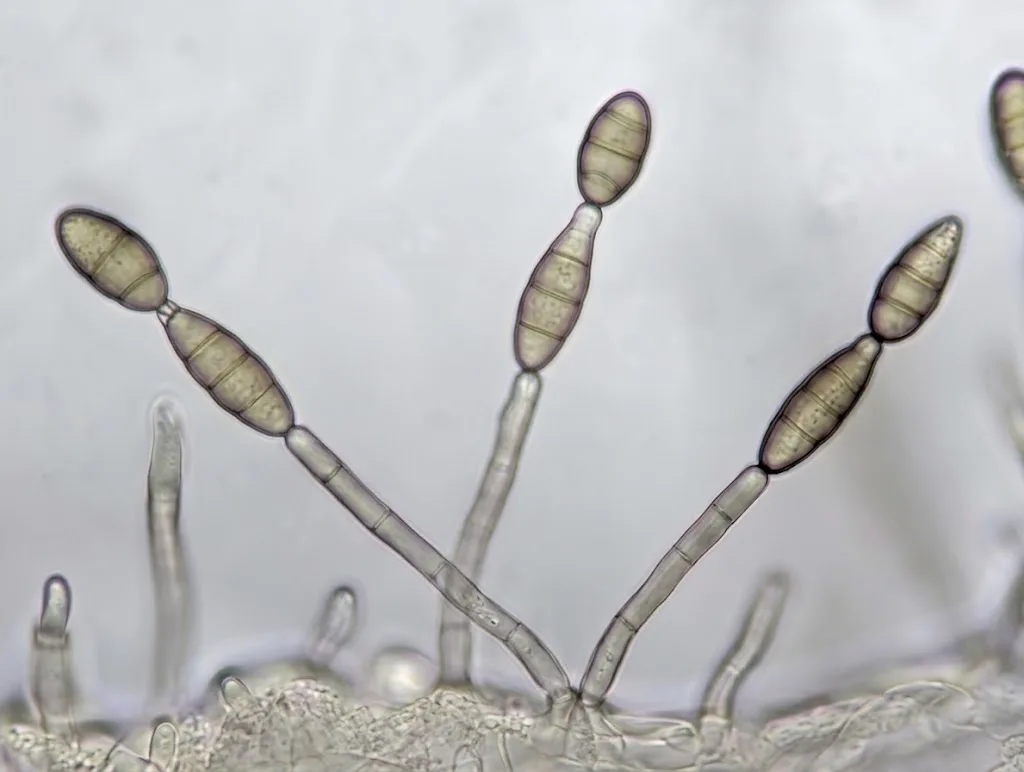
Mould allergies are a common cause of allergy symptoms throughout the year. Microscopic mould “seeds”, called spores, occur naturally in both indoor and outdoor environments, but damp conditions encourage mould growth and increase the number of spores in the air. People with asthma, hay fever or eczema are more likely to be affected, so an accurate diagnosis is an important first step towards managing symptoms.
An allergic reaction happens when the immune system mistakes proteins found in mould spores for something harmful. Although these proteins are harmless to most people, an allergic immune system releases chemicals such as histamine to fight them off. This response can lead to symptoms including a blocked or runny nose, itchy eyes, sneezing or coughing. For some people, mould exposure can also trigger wheezing or make asthma symptoms worse.
Mould grows wherever there is excess moisture. It is commonly found in bathrooms, kitchens and around windows where condensation forms. It can also develop after leaks or flooding, particularly in poorly ventilated areas. Outside, mould thrives in soil, compost heaps and piles of damp leaves. As mould grows, it releases microscopic spores into the air, which can easily be inhaled by people with allergies.
Anyone can develop a mould allergy, even if they have never reacted before. Mould spores are present throughout the year, so symptoms often persist rather than appearing only during a particular season. Damp weather or spending time in buildings with water damage can also increase exposure and make symptoms more noticeable.
Reducing dampness indoors can help lower mould levels. Improving ventilation, fixing leaks quickly and removing visible mould are all worthwhile measures. However, mould spores are impossible to eliminate completely, so avoiding exposure is not always practical.
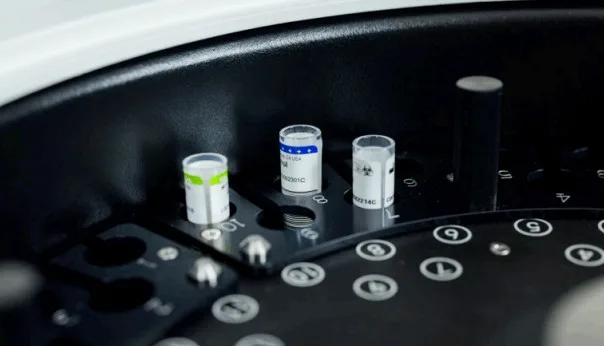
If you think mould could be causing your symptoms, a healthcare professional may recommend a specific IgE blood test to check for an allergic response. Bio-Diagnostics
provides convenient at-home sample collection kits, allowing you to collect your sample at home before returning it to our laboratory. Using HYCOR’s advanced specific IgE
technology, we deliver an accurate assessment of mould allergies to help support diagnosis and treatment decisions.
A confirmed diagnosis is the first step towards understanding your allergy and finding the right way to manage it. If you think mould allergies may be affecting you, get in touch today to learn more about our convenient at-home specific IgE blood testing service.
REFERENCES:
https://www.allergyuk.org/resources/mould-allergy-advice-factsheet/
https://www.anaphylaxis.org.uk/fact-sheet/allergy-to-mould/
https://www.uhcw.nhs.uk/download/clientfiles/files/Patient%20Information%20Leaflets/Women%20and%20Children_s/Paediatrics/Allergy%20%20Moulds%20and%20Spores%20avoidance.pdf